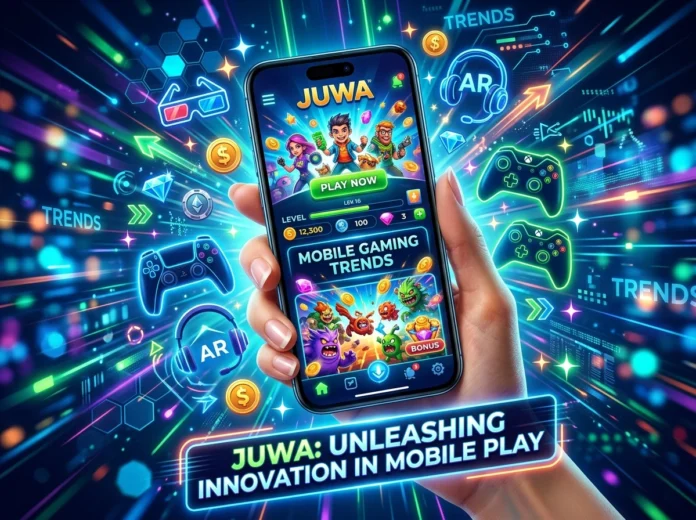
Mobile gaming has quietly become one of the biggest entertainment industries in America. What started with simple time-killers like Snake and Solitaire has grown into a multibillion-dollar space packed with high-quality graphics, social communities, and competitive play. Today, your smartphone holds more gaming power than the consoles many of us grew up with. And platforms like Juwa are stepping in to reshape how Americans think about casual, skill-based, and social gaming.
Let’s break down where mobile gaming stands right now, the trends pushing it forward, and what the future might hold.
The Explosive Growth of Mobile Gaming in the US
Mobile gaming isn’t a niche hobby anymore. It’s mainstream. Recent industry estimates put the US mobile gaming market well above $20 billion in annual revenue, with hundreds of millions of players across every age group. Roughly half of American adults play games on their phones at least occasionally, and that number keeps climbing.
Several factors fuel this growth:
- Widespread smartphone access. Nearly every American carries a powerful device capable of running graphically rich games.
- Faster networks. The spread of 5G and reliable Wi-Fi makes online play smoother and lag-free.
- Lower barriers to entry. Most mobile games are free to download, so trying something new costs nothing.
What’s interesting is how diverse the audience has become. Mobile gaming spans teenagers, busy professionals, parents, and retirees. This wide reach reflects the diverse demographics across the country, and it’s why developers now design experiences for nearly every taste and lifestyle.
Key Trends Shaping the Industry
A handful of major shifts are defining where mobile gaming heads next. Each one changes how players engage and how platforms compete for attention.
Cloud Gaming Goes Mainstream
Cloud gaming lets you stream games directly to your phone without downloading huge files or owning expensive hardware. The heavy lifting happens on remote servers, so even a budget phone can run demanding titles. As internet speeds improve across the country, cloud gaming is removing the last technical limits that once held mobile play back. For US gamers, that means console-quality experiences anywhere, from a commute to a coffee shop.
Social Features Take Center Stage
Gaming has become a social activity. Players want to connect, compete, and chat with friends in real time. Modern mobile platforms build in leaderboards, live chat, multiplayer rooms, and community events. These features keep players coming back, not just for the game itself, but for the people they meet there. The most successful platforms understand that community is the glue that holds a player base together.
In-App Purchases Drive Revenue
The free-to-play model dominates mobile gaming, and in-app purchases keep it profitable. Players can download for free, then choose to buy upgrades, cosmetic items, or extra content. When done fairly, this approach gives users control over their spending while letting developers earn steady revenue. The key is balance, because players quickly abandon games that feel pay-to-win or pushy.
Cross-Platform Play Connects Everyone
Cross-platform play lets gamers on phones, tablets, PCs, and consoles compete together in the same matches. This breaks down old barriers and grows player communities. For mobile users, it means you’re never stuck waiting for a match or limited to people using the same device. It’s a tech-forward approach that reflects how Americans actually use their growing collection of screens.
How Platforms Like Juwa Are Disrupting Traditional Gaming
While the big-name studios chase blockbuster releases, platforms like Juwa are carving out their own space by focusing on accessibility and variety. Instead of demanding hours of commitment or steep learning curves, these platforms offer quick, engaging sessions that fit into a busy day.
Here’s what sets this newer wave apart:
- Accessibility first. Games load fast, run on modest hardware, and welcome beginners. You don’t need to be a hardcore gamer to jump in and have fun.
- Skill-based gameplay. Many titles reward reflexes, timing, and strategy rather than pure luck. This appeals to players who want a genuine challenge and a sense of progress.
- Casual-friendly design. Short rounds and simple controls make these games perfect for filling small pockets of free time.
By blending these elements, platforms like Juwa attract players who might feel intimidated by complex console games but still crave entertainment and a little competition. This middle ground is a sweet spot in the American market, where people value convenience and instant enjoyment.
The Impact on American Gamers’ Habits
Mobile platforms have changed not just what we play, but how and when we play. A few clear shifts stand out.
Gaming fits into daily routines. Instead of sitting down for a long session, many Americans now play in short bursts, during lunch breaks, while waiting in line, or before bed. Mobile gaming molds itself around real life.
The audience keeps widening. Casual and skill-based games attract people who never considered themselves “gamers.” This broadens the culture and removes old stereotypes about who plays.
Spending habits evolve. With free downloads and optional purchases, players decide exactly how much to invest. Many spend nothing, while others happily pay for extras they enjoy. This flexible model matches the varied economic realities across different regions and households.
These changes show that mobile gaming has become woven into everyday American entertainment, sitting comfortably alongside streaming video and social media.
The Rise of Sweepstakes and Fish Table-Style Games
One of the most talked-about trends in the mobile space is the growth of sweepstakes-style and fish table games. These titles combine arcade-style action with a competitive, rewards-driven format that many players find exciting.
Fish table games, for example, feature colorful underwater scenes where players aim and shoot at moving targets for points. They reward accuracy and timing, blending skill with fast-paced fun. Sweepstakes-style formats add an extra layer of engagement by offering promotional rewards through legally structured contests.
It’s worth noting that the rules around these games vary widely. The United States has a complex regulatory environment, and laws differ from state to state. Players should always review their local regulations and choose platforms that operate transparently and responsibly. Reputable platforms prioritize compliance and fair play, which builds trust with their communities. If you’re interested in these games, take a moment to understand the guidelines in your area before diving in.
This category highlights how creative developers keep finding fresh ways to entertain, while responsible operators work to stay on the right side of evolving rules.
The Future Outlook for Mobile Gaming Platforms
Where does mobile gaming go from here? Several developments hint at an exciting road ahead.
Smarter technology. Advances in artificial intelligence will personalize gameplay, adjusting difficulty and recommendations to match each player. Augmented reality could blend digital games with the real world in new ways.
Stronger communities. Expect even deeper social integration, with platforms acting as hubs where players gather, compete, and share. The line between gaming and social networking will keep blurring.
Better accessibility. As cloud gaming matures, more people will enjoy high-end experiences without expensive gear. This levels the playing field across different income levels and regions.
Clearer regulations. As skill-based and sweepstakes-style games grow, expect clearer rules and stronger consumer protections. This benefits everyone by creating a safer, more transparent environment.
Platforms that combine innovation with responsibility, the ones that respect players, embrace new technology, and stay compliant, will lead this next chapter.
Final Thoughts
Mobile gaming has transformed from a simple distraction into a powerful, diverse form of entertainment that reaches millions of Americans every day. Trends like cloud gaming, social features, in-app purchases, and cross-platform play continue to push the experience forward. Meanwhile, accessible and skill-based platforms like Juwa are opening the door to new audiences who want quick, engaging, and competitive fun.
The momentum shows no signs of slowing. As technology advances and communities grow, mobile gaming will keep adapting to the way Americans live and play. Whether you’re a lifelong gamer or someone just discovering the fun on your phone, there’s never been a more exciting time to press start. Just remember to play responsibly, choose trustworthy platforms, and understand the rules in your region. The future of play is in your pocket, and it’s only getting better.
Please visit website for more info.