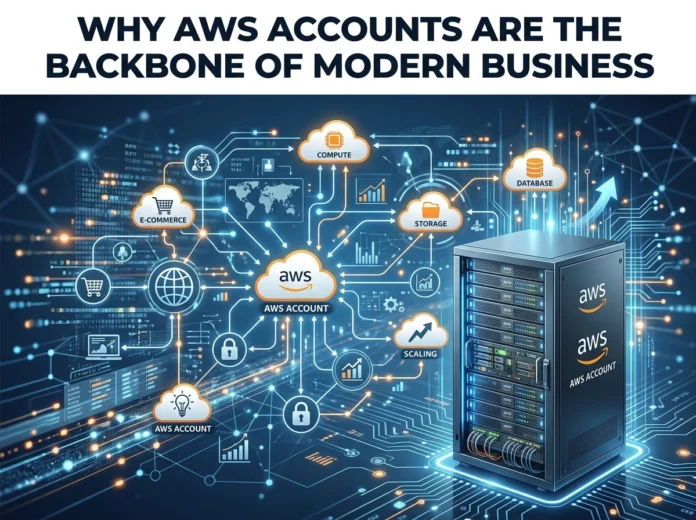
The shift from physical servers to cloud computing fundamentally altered how companies operate, innovate, and grow. At the center of this transformation is Amazon Web Services (AWS), a platform that provides a vast array of computing resources on demand. For organizations ranging from nimble startups to Fortune 500 enterprises, securing and managing these cloud environments has become a core operational necessity.
Understanding how to leverage cloud infrastructure is no longer just an IT concern; it is a critical business strategy. The right cloud setup determines how quickly a company can launch new products, how securely it protects user data, and how efficiently it manages operational costs. AWS offers a comprehensive suite of tools that address these challenges directly, providing a foundation for sustainable growth.
This article explores the critical role that Amazon AWS accounts play in contemporary business environments. We will examine how these cloud environments deliver unmatched scalability, strict security protocols, and cost-effective resource management. By the end of this guide, you will understand how to harness the full potential of AWS to streamline your operations and maintain a competitive edge.
Scalability and Flexibility of AWS Accounts
One of the primary reasons organizations migrate to the cloud is the ability to scale resources rapidly. Traditional on-premise servers require significant upfront investment and months of planning to upgrade. AWS eliminates these barriers entirely.
Adapting to Traffic Fluctuations
Business demands rarely remain static. An e-commerce website might experience a massive surge in traffic during a holiday sale, only to see visitor numbers drop to baseline levels a week later. AWS accounts allow businesses to provision additional compute power—such as Amazon EC2 instances—automatically during peak times. Once the demand subsides, the system scales down, ensuring you always have the right amount of processing power without paying for idle capacity.
Versatile Development Environments
AWS provides unmatched flexibility for development teams. Engineers can spin up isolated testing environments in minutes, experiment with new architectures, and tear them down just as quickly. This agility accelerates the software development lifecycle, allowing companies to bring new features to market much faster.
Cost-Efficiency and Resource Management
Financial management is a crucial aspect of modern business, and AWS introduces a highly efficient economic model for IT infrastructure.
The Pay-As-You-Go Advantage
Rather than purchasing expensive hardware that depreciates over time, AWS operates on a pay-as-you-go pricing model. Businesses only pay for the specific compute power, storage, and database resources they actively consume. This converts capital expenses into predictable operational expenses, freeing up cash flow for other strategic investments like marketing or product development.
Optimizing Cloud Spend
An AWS account provides access to sophisticated billing and cost management tools. Administrators can set custom budgets, receive alerts when spending exceeds predefined thresholds, and use the AWS Cost Explorer to visualize usage patterns. By analyzing this data, organizations can identify underutilized resources and shut them down, further reducing their monthly cloud expenditure.
Security and Compliance Features
Data breaches and cyber threats pose massive risks to companies of all sizes. AWS was built with security as its highest priority, offering features that rival or exceed those of traditional data centers.
Robust Access Controls
Through the AWS Identity and Access Management (IAM) service, businesses can enforce strict access controls. Administrators can assign specific permissions to individual users or groups, ensuring that employees only have access to the data and tools necessary for their roles. This principle of least privilege significantly reduces the risk of internal security incidents.
Meeting Global Compliance Standards
Navigating the complex landscape of regulatory compliance can be a massive headache for businesses operating in sectors like healthcare or finance. AWS accounts are designed to help organizations meet stringent global standards, including GDPR, HIPAA, and SOC 2. The platform provides comprehensive encryption options for data both in transit and at rest, giving business leaders peace of mind that their sensitive information is protected.
Role of AWS in Innovation and Global Reach
Expanding a business internationally used to require building physical data centers in new regions. AWS provides the infrastructure necessary to go global in minutes.
Expanding Your Global Footprint
With a vast network of data centers spread across different geographic regions and availability zones, AWS allows you to deploy applications close to your end-users. This reduces latency and ensures a fast, responsive experience for customers, regardless of whether they are in New York, Tokyo, or London.
Access to Emerging Technologies
An AWS account is a gateway to the latest technological advancements. Businesses can easily integrate artificial intelligence, machine learning, and advanced data analytics into their operations without needing specialized hardware. Tools like Amazon SageMaker empower organizations to build, train, and deploy machine learning models quickly, opening up new avenues for innovation and automated decision-making.
Practical Considerations for Business Operations
While the benefits of AWS are clear, practical implementation requires careful planning. Setting up a new account involves identity verification, linking payment methods, and configuring initial security settings.
For some organizations, especially those working under strict deadlines or needing specific configurations, the standard account creation process can feel time-consuming. Developers and agencies managing multiple client projects sometimes seek streamlined ways to access cloud infrastructure immediately. In these scenarios, some teams choose to Buy Amazon Aws Accounts to bypass initial setup friction and gain instant access to a stable, ready-to-use cloud environment.
Regardless of how an account is acquired, businesses must prioritize proper architecture. Establishing billing alarms, activating multi-factor authentication (MFA) for the root user, and isolating workloads across different virtual private clouds (VPCs) are essential best practices. Taking these steps early on ensures that your cloud infrastructure remains organized, secure, and cost-effective as your business grows.
Empowering Your Business with Cloud Technology
Adopting cloud infrastructure is a fundamental requirement for businesses that want to remain agile and competitive. AWS provides the tools necessary to handle massive workloads, protect sensitive customer data, and expand into global markets effortlessly.
By understanding the scalability, cost management, and security features inherent in an AWS account, leaders can make informed decisions that drive operational efficiency. Now is the time to review your current IT infrastructure, identify areas for optimization, and leverage the power of the cloud to fuel your company’s next phase of growth.