Building a powerful link profile is one of the most challenging aspects of search engine optimization. You can write exceptional content and optimize your technical SEO perfectly, but without strong backlinks, your website might still struggle to reach the top of the search engine results pages. This reality drives many site owners and SEO professionals to explore alternative link-building strategies, including Private Blog Networks (PBNs).
Using a PBN is a highly debated topic within the SEO community. Some marketers swear by their ability to generate rapid ranking improvements, while others warn of severe algorithmic penalties. Understanding how these networks operate is essential before you invest your marketing budget.
This comprehensive guide explores the mechanics of Private Blog Networks. We will examine the undeniable benefits they offer, the inherent risks involved, and the steps you can take to implement this strategy safely. By the end of this post, you will have the knowledge needed to make an informed decision about your link-building approach.
What Are PBN Backlinks?
A Private Blog Network is a collection of high-authority websites controlled by a single entity. These networks are typically built using expired domains that have already accumulated significant trust, age, and link equity from their previous existence. Instead of starting from scratch with a new domain, PBN builders purchase these aged domains and restore them with new content.
The primary purpose of this network is to place backlinks that point directly to a “money site”—the main website you want to rank in search engines. Because the network owner controls all the sites within the PBN, they have absolute authority over where the links are placed, the context surrounding them, and the specific anchor text used.
When search engine crawlers discover these links, they pass the accumulated authority (often called “link juice”) from the aged domain to your money site. This transfer of authority signals that your website is a trusted resource, which can prompt search engines to elevate your keyword rankings.
The Rewards of Buying PBN Backlinks
There is a reason why many digital marketers and SEO agencies continue to utilize Private Blog Networks. When executed correctly, this strategy provides several distinct advantages that are difficult to replicate through traditional outreach.
Rapid Ranking Acceleration
Traditional white-hat link building takes time. Pitching guest posts, conducting digital PR campaigns, and executing broken link-building strategies often require months of effort before you see a single placement.
PBNs bypass this waiting period entirely. Because the domains already possess high authority, they pass link equity immediately upon indexing. This rapid acceleration is particularly valuable in highly competitive niches where organic traffic directly translates to significant revenue. You can quickly secure top positions while your competitors wait for their manual outreach campaigns to gain traction.
Complete Anchor Text Control
One of the biggest frustrations with standard link building is the lack of control. When a blogger naturally links to your site, they might use generic anchor text like “click here” or simply paste your raw URL. These links build domain authority, but they do little to help you rank for specific commercial keywords.
When you use a private network, you dictate the exact anchor text. You can optimize your link profile perfectly, ensuring maximum relevance. If you decide to Buy pbn backlinks, you gain the ability to strategically deploy exact-match and partial-match anchors that drive targeted traffic directly to your most important landing pages.
Cost-Effective Link Acquisition
Securing links on massive, authoritative publications through digital PR can cost thousands of dollars per placement. Even standard guest posting services require significant budgets for content creation and webmaster fees.
Purchasing links from an established network often provides a superior return on investment. You receive guaranteed placements on high-metric sites without the unpredictable costs and high failure rates associated with manual outreach.
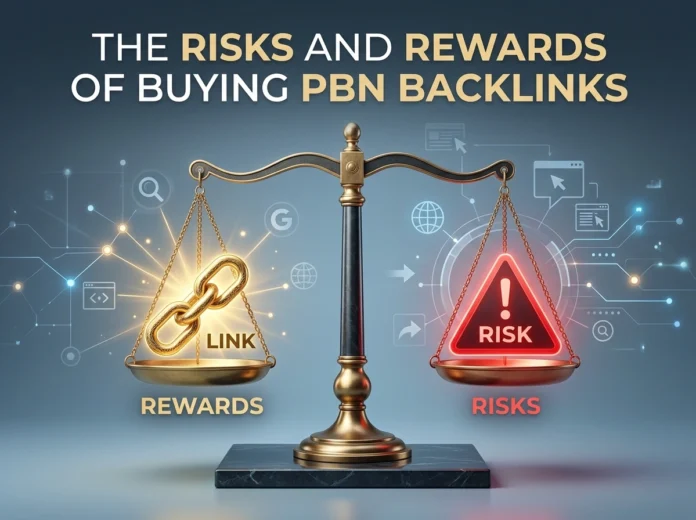
Potential Risks and SEO Consequences
While the rewards are enticing, the risks associated with PBNs are substantial. Search engines, particularly Google, explicitly prohibit link schemes designed to manipulate search rankings. Using a PBN violates these webmaster guidelines.
Algorithmic Penalties and De-indexing
Search engines continuously update their algorithms to identify and neutralize manipulative link-building tactics. If an algorithm detects that your website is benefiting from a network of interconnected, low-quality sites, your money site could suffer a severe ranking drop.
In worst-case scenarios, search engines may issue a manual action penalty. This can result in your website being completely de-indexed, meaning it will no longer appear in search results at all. Recovering from a manual penalty is a grueling, time-consuming process that requires disavowing the bad links and submitting reconsideration requests.
Poor Quality Networks
Not all networks are created equal. Many cheap providers build their PBNs using spun content, low-quality domains, and public hosting environments. These networks leave a massive digital footprint that search engines can easily detect. If you purchase links from a poorly managed network, you are essentially paying to put your website at risk.
How to Safely Implement PBN Strategies
If you decide to incorporate PBNs into your SEO strategy, risk mitigation must be your top priority. You must treat footprint management with extreme care to protect your money site from penalties.
Prioritize Zero Footprint Hosting
The easiest way for search engines to identify a PBN is through shared hosting and IP addresses. If 50 different websites all link to your business and share the same server IP, the network becomes glaringly obvious.
Ensure that any network you use relies on diverse hosting environments. High-quality providers use different registrars, unique IP subnets, and varied content management systems to ensure the network appears as a collection of completely independent websites.
Demand High-Quality Content
Search engines analyze the content surrounding a backlink to determine its relevance and value. Placing your links inside poorly written, keyword-stuffed articles is a massive red flag.
Every site in the network should feature unique, native-written content that provides genuine value to readers. The links should be embedded contextually and naturally within the text. A premium network treats its individual domains like real websites, not just link farms.
Maintain Natural Link Velocity and Anchor Ratios
Building 100 exact-match anchor text links to a brand-new website overnight looks unnatural. To fly under the radar, you must mimic the behavior of organic link growth.
Pace your link building appropriately. Gradually increase your link velocity as your website ages and grows. Additionally, keep your anchor text profile diverse. Mix your target commercial keywords with branded anchors, naked URLs, and generic phrases to maintain a natural-looking backlink profile.
Final Verdict on Private Blog Networks
Private Blog Networks remain a potent tool in the SEO arsenal. They offer unparalleled control, rapid ranking improvements, and significant cost savings compared to traditional link-building methods. However, these benefits come with the undeniable risk of algorithmic penalties and manual actions.
Success ultimately depends on execution and vendor selection. If you choose to leverage this strategy, you must avoid cheap, publicly advertised networks that cut corners on security. Instead, partner with premium providers who prioritize zero-footprint hosting, high-authority domains, and natural content integration. By balancing aggressive ranking tactics with meticulous risk management, you can achieve a dominant search presence and drive sustainable organic traffic to your business.