Securing high-quality backlinks in the financial sector requires a careful, strategic approach. Search engines apply strict scrutiny to websites dealing with money, investing, and personal wealth. This means a poorly executed link building campaign can do far more harm than good, potentially resulting in severe ranking penalties.
Guest posting remains one of the most effective ways to build authority and drive targeted traffic to your financial website. By placing editorial articles on established publications, you signal to search engines that your brand is a trusted industry voice. However, the process of acquiring these placements is full of hidden traps for marketers who rush the process.
Many businesses waste their marketing budgets on low-quality placements that fail to move the needle. Knowing exactly what to look for will save you time, money, and unnecessary headaches. This guide highlights the most common errors marketers make when acquiring financial backlinks and shows you how to protect your site’s reputation.
Mistake 1: Ignoring Domain Authority and Relevance
Many marketers look at a website’s Domain Authority (DA) score and make a purchasing decision based solely on that number. A site with a high DA might seem like a great place for your link, but authority means very little without strict niche relevance.
Search engines look at the contextual relationship between the linking site and your website. Placing a backlink for a wealth management firm on a high-DA cooking or lifestyle blog looks unnatural. Even within the financial sector, relevance matters. A cryptocurrency trading platform will benefit most from placements on crypto or fintech blogs, rather than a blog focused on real estate mortgages. Always prioritize websites that share a direct topical overlap with your specific business model.
Mistake 2: Overlooking Content Quality
Search engines prioritize genuinely helpful content that provides value to human readers. Unfortunately, many link building services use spun content, poorly translated text, or unedited AI generation to pump out articles at high volumes.
Publishing subpar content damages your brand’s credibility. Editors of top-tier finance publications expect well-researched, expertly written articles that demonstrate true thought leadership. If the article surrounding your backlink is riddled with grammatical errors or offers superficial financial advice, search engines may flag the content as spam. Always ensure native finance experts write the articles representing your brand.
Mistake 3: Poor Anchor Text Strategy
Anchor text tells search engines exactly what the destination page is about. A common error is using exact-match commercial keywords for every single guest post.
If all your inbound links use the exact same phrase, search algorithms will quickly identify the pattern as an artificial link building scheme. This triggers spam filters and can lead to manual penalties. To build a healthy backlink profile, vary your anchor text. Use a natural mix of branded terms, naked URLs, broad descriptive phrases, and partial-match keywords. The text should flow naturally within the sentence and provide clear context for the reader clicking the link.
Mistake 4: Not Checking for Organic Traffic
A high Domain Authority score can be easily manipulated through expired domains or artificial link inflation. Because of this, you should never evaluate a prospective guest post website on DA alone.
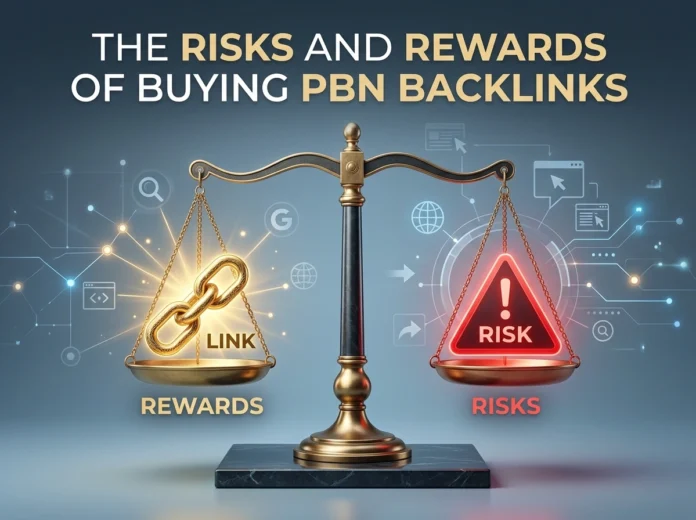
Real editorial websites attract genuine human readers and rank for relevant keywords in search results. Before securing a placement, use SEO tools to verify that the target website receives steady, consistent organic traffic. A site boasting a DA of 60 but registering zero monthly visitors is a massive red flag. These sites are often Private Blog Networks (PBNs) designed solely to sell links. Placements on active, highly trafficked finance blogs drive qualified referral traffic directly to your landing pages.
Mistake 5: Neglecting Link Placement and Permanence
Where your link appears on the page is just as important as the website it lives on. Links buried deep within an author bio or hidden in the footer carry significantly less weight than contextual links placed naturally within the body of the article.
Furthermore, you must clarify the permanence and technical attributes of the link before you finalize any agreement. Ensure the publication offers permanent placements rather than links that disappear after a year. Additionally, verify that the link will be “do-follow.” While “no-follow” links can drive traffic, they do not pass the direct SEO ranking value needed to boost your position in search results.
How to Properly Buy Finance Guest Posts
Building a reliable backlink profile requires transparency, manual outreach, and an understanding of the financial industry. You need a streamlined approach to secure premium placements without violating search engine guidelines.
The best strategy is to partner with a specialized team that has established relationships with active financial editors. A focused approach ensures your content is placed on high-traffic sites that matter to your target audience. When you Buy Finance Guest Posts, you eliminate the guesswork and protect your website from the risks of spammy link building tactics. Professional services handle the manual pitching, content creation, and placement verification, allowing you to focus on running your business.
Securing Your Financial SEO Strategy
Growing your organic visibility in the finance sector is a marathon, not a sprint. Cutting corners by utilizing cheap, irrelevant link farms will eventually catch up with your search rankings. By prioritizing relevance, demanding exceptional content quality, and carefully vetting the traffic of your target publications, you can build a formidable online presence. Take a methodical approach to your backlink strategy, and your brand will earn the authority and trust it deserves.