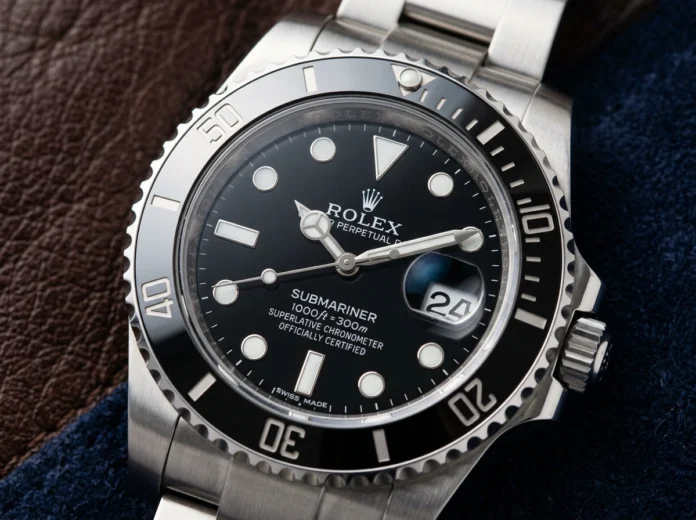
Superclone Rolex Explained: How These Watches Differ From Standard Replicas

The world of replica timepieces has grown into a sprawling marketplace filled with confusing terminology. Among the most talked-about terms is “superclone.” Buyers often see this word attached to listings that promise near-perfect accuracy, yet many people aren’t sure what actually separates a superclone from an ordinary replica.

This article breaks down what enthusiasts mean when they use the term, and how these watches reportedly differ from standard imitations. We’ll look at craftsmanship, materials, movement imitation, finishing, weight, fine details, and the expectations buyers bring to the table. By the end, you’ll understand the distinctions people draw and why the conversation matters.

What Does “Superclone” Actually Mean?

The term “superclone” describes a category of replica watches that aim for an exceptionally high level of accuracy compared to the original. While a standard replica may capture the general look of a luxury watch, a superclone reportedly attempts to mirror the finer technical and visual elements as closely as possible.

In practice, the word is more of a marketing label than a regulated standard. There’s no official body that certifies what qualifies as a “superclone.” Instead, the term has emerged from collector communities and online discussions to describe watches positioned at the top of the replica spectrum. Resources such as superclone rolex discussions often highlight how this language has evolved within hobbyist circles.

The key takeaway: “superclone” signals an intended pursuit of maximum accuracy, but the label itself isn’t guaranteed proof of quality.

Standard Replicas vs. Superclones: The Core Differences

To understand the distinction, it helps to compare the two categories side by side across the features that enthusiasts focus on most.

Craftsmanship and Build Quality

Standard replicas are typically produced for affordability. They capture the silhouette and branding of a recognizable design but often cut corners on assembly. You might notice loose components, uneven gaps, or rushed construction.

Superclones, by contrast, are marketed around tighter assembly tolerances. Sellers claim these watches receive more careful attention during construction, with parts that fit together more precisely. The difference, when present, usually shows up in how solid the watch feels in the hand.

Materials Used

Material choice is one of the biggest talking points in this space.

  • Standard replicas frequently rely on lower-grade alloys, mineral glass, and plated finishes that may wear over time.
  • Superclones are often advertised as using 904L or 316L stainless steel, sapphire crystal, and more durable coatings that resemble the materials found in genuine luxury watches.

The “so what?” here is simple: better materials tend to translate into a more convincing look and longer-lasting wear, which is why buyers pay attention to these specifications.

Movement Imitation

The movement—the internal mechanism that powers the watch—is where the two categories diverge most dramatically.

Standard replicas often use basic automatic or quartz movements that keep time but don’t attempt to mimic the original caliber. Superclones, on the other hand, are frequently built around movements engineered to imitate the architecture and behavior of the genuine article. Some are even decorated internally to resemble the layouts seen in authentic watches.

This focus on movement imitation is a defining feature of the superclone label. For collectors who value mechanical detail, it’s often the single most important factor.

Finishing and Surface Detail

Finishing refers to the polishing, brushing, and detailing applied to the case, bracelet, and dial.

A standard replica may show inconsistent brushing or overly bright polishing that looks artificial up close. Superclones aim for the subtle transitions between brushed and polished surfaces that characterize high-end watchmaking. The bevels, edges, and lug lines are reportedly refined to match the original more faithfully.

These details rarely matter from across a room, but they become noticeable under close inspection—exactly the scenario where accuracy is tested.

Weight and Heft

Weight is a surprisingly reliable indicator. Genuine luxury watches feel substantial because of their dense materials and solid construction.

Standard replicas often feel lighter than expected, which can give them away immediately to anyone familiar with the real thing. Superclones are engineered to approximate the weight distribution and overall heft of the authentic model, using denser materials and solid end links. The goal is a tactile experience that feels closer to the original.

Fine Details: Dials, Text, and Engravings

Small details separate a casual copy from a meticulous one.

  • Dial printing: Superclones aim for crisp, correctly spaced text and accurate fonts.
  • Cyclops magnification: The date window magnifier is calibrated more carefully.
  • Engravings: Case-back and rehaut engravings are reproduced with greater precision.
  • Lume application: The glow material is positioned and shaped to match the original layout.

Standard replicas frequently stumble on these elements, with blurry text, incorrect fonts, or misaligned features. The pursuit of these tiny accuracies is central to the superclone concept.

Why Buyer Expectations Matter

Understanding the difference between these categories isn’t only about the watches themselves—it’s about what buyers expect.

Someone purchasing a standard replica usually wants an affordable item that resembles a luxury design at a glance. They accept that closer inspection will reveal compromises.

A buyer drawn to superclones, however, typically expects accuracy that holds up under scrutiny. They often research specifications, compare movement types, and study finishing details before committing. Their expectations are higher, and so is the price point.

Here’s the practical implication: mismatched expectations lead to disappointment. Knowing which category a watch belongs to helps buyers make informed decisions and avoid paying premium prices for basic products.

A Quick Comparison Summary

To pull everything together, here’s how the two categories generally stack up:

  • Materials: Standard replicas use budget alloys; superclones favor stainless steel and sapphire.
  • Movement: Standard replicas use generic movements; superclones imitate the original caliber.
  • Finishing: Standard replicas show rougher detailing; superclones refine surface transitions.
  • Weight: Standard replicas feel light; superclones aim for authentic heft.
  • Details: Standard replicas often miss small elements; superclones target precision.
  • Price: Standard replicas cost less; superclones command higher prices.

This summary captures the heart of the conversation, though real-world quality always varies from one product to another.

Common Misconceptions to Avoid

A few myths tend to circulate around this topic.

Myth 1: “Superclone” guarantees flawless accuracy. It doesn’t. The term is a marketing label, and quality differs widely between sellers.

Myth 2: Higher price always means better quality. Price reflects positioning, not certification. Some expensive listings underdeliver.

Myth 3: All replicas are identical. As this article shows, the gap between a basic copy and a high-effort clone can be significant.

Keeping these misconceptions in mind helps you read listings more critically.

Frequently Asked Questions

Is a superclone the same as a genuine watch?
No. Regardless of accuracy, a superclone is still a replica and not an authentic product from the original manufacturer.

Why do superclones cost more than standard replicas?
The higher price reflects claims of better materials, refined finishing, and more advanced movement imitation.

Can you tell a superclone apart from the real thing?
Often it requires close inspection by an experienced eye, focusing on movement, engravings, and weight.

Is the term “superclone” official?
No. It’s an informal label created within hobbyist communities, not a regulated standard.

Final Thoughts

The main benefit of understanding superclones versus standard replicas is clarity. When you know what each term implies, you can interpret listings accurately and set realistic expectations.

If you’re exploring this topic, start by examining the specific details that matter most to you—materials, movement type, finishing, and weight. Compare claims carefully, stay skeptical of marketing language, and remember that the “superclone” label describes an intention rather than a guarantee.

The more you learn about these distinctions, the better equipped you’ll be to navigate a confusing and crowded marketplace with confidence.


Explore more

Free Credit Link Malaysia: A Practical Guide for Gig and Freelance Workers

Free Credit Link Malaysia: A Practical Guide for Gig and Freelance...

Freelancing and gig work have changed the way Malaysians earn a living. From delivery riders weaving through Kuala Lumpur traffic to designers taking client...
The Benefits of Following veganovtrichy for Daily Vegan Motivation

The Benefits of Following veganovtrichy for Daily Vegan Motivation

Sticking to a plant-based lifestyle feels easy on some days and tough on others. You wake up motivated, ready to cook fresh meals and...
How Techleez Empowers Global Tech Enthusiasts

How Techleez Empowers Global Tech Enthusiasts

Techleez is a digital educational platform that empowers tech enthusiasts worldwide by providing practical tech tips, unbiased app reviews, and guides on artificial intelligence...
How will Techlein shape the future of cloud computing?

How will Techlein shape the future of cloud computing?

Techlein’s vision for cloud computing integrates advanced artificial intelligence, hybrid cloud architectures, and sustainable infrastructure to drive business innovation in 2026 and beyond. By...
Gamevault: The perfect solution for organizing your PC games Quick answer: The GameVault self-hosted gaming platform is a dedicated application for organizing and distributing legally owned, DRM-free PC games. By deploying GameVault on a personal server, gamers can bypass third-party storefronts, track playtime statistics, enrich game metadata automatically, and maintain total ownership over their digital game libraries. Managing a massive PC game collection across multiple digital storefronts often frustrates PC gamers. Users purchase titles from various providers, resulting in fragmented libraries scattered across half a dozen proprietary clients. This fragmentation forces players to run unnecessary background software, consuming valuable system resources just to launch a single title. Digital ownership also presents a growing concern for modern software consumers. When you purchase a title on a major storefront, you typically purchase a license to access the software rather than the software itself. If a platform revokes your license, shuts down its servers, or removes a specific title due to licensing disputes, you lose access to your purchase entirely. This reality has driven a massive resurgence in the popularity of DRM-free (Digital Rights Management-free) software, where consumers can download standalone installation files and retain them indefinitely. However, accumulating hundreds of DRM-free installation files creates a new organizational challenge. Storing loose executable files and zipped archives on external hard drives makes finding, installing, and updating titles incredibly tedious. PC gamers need a centralized, organized way to view their offline collections. The GameVault self-hosted gaming platform solves this exact problem. By bringing the polished interface of a commercial storefront to your private home server, GameVault allows you to catalog, distribute, and play your legally owned DRM-free collection with exceptional ease. This article explores how GameVault works, details its core features, and explains why it serves as the ultimate game organization tool for dedicated PC gamers. What is the GameVault self-hosted gaming platform? The GameVault self-hosted gaming platform is a specialized ecosystem designed to host, manage, and distribute DRM-free game files from a private server. Unlike aggregator tools that simply combine existing store libraries into one visual interface, GameVault operates entirely independently of corporate storefronts. You supply the game files, host the server, and control the entire ecosystem. GameVault consists of two main components: the backend server and the frontend client. The backend server runs on your personal hardware (such as a NAS device, a Virtual Private Server, or a dedicated home server) and indexes your raw game files. It scans your designated storage directories, identifies the game archives, and builds a comprehensive database. The frontend client operates as a native Windows application or a responsive Web UI. This client connects to your private server, presenting your raw files as a visually stunning, highly organized game library. Users can browse their collections, click a single button to download the files to their local machine, and launch the title directly from the GameVault interface. Because the games run locally on your hardware, you never have to worry about the latency or video compression issues associated with cloud game streaming. Which core features does GameVault use to organize your game library? Organizing a massive catalog of software requires robust features. The GameVault self-hosted gaming platform provides an extensive suite of tools designed to automate library management and enhance the user experience. Automatic metadata enrichment through IGDB Manually adding cover art, descriptions, release dates, and developer information for hundreds of titles wastes countless hours. GameVault automates this entire process through a direct integration with IGDB (Internet Game Database). When you drop a new game folder into your server directory, GameVault scans the file name and automatically queries the IGDB API. The server fetches high-quality cover art, background images, genre tags, and detailed game summaries. By default, GameVault caches this metadata for 30 days to ensure your library always displays the most accurate and up-to-date information. Users simply add their files to a folder, and GameVault handles the visual presentation. Detailed playtime and progress tracking Tracking the time spent inside a virtual world remains a highly requested feature for PC gamers. GameVault monitors your active sessions and records your exact playtime for every title in your library. The application logs when you start an application and when you close it, compiling detailed statistics over time. This feature allows users to easily manage their backlog of unplayed titles. You can sort your library by playtime to identify neglected purchases or view your most played titles of the year. The platform also supports save file management. Users can configure GameVault to upload up to 10 localized save files per game directly to the server, ensuring your progress remains backed up and accessible. Multi-user social features and account management GameVault transforms a solitary hard drive into a private gaming community. Server administrators can create individual user accounts for friends and family members. Each user receives their own personalized view of the library, independent playtime tracking, and customized client settings. Administrators maintain complete control over user permissions. You can restrict access based on parental controls, establishing an age of majority (such as 18) and filtering out mature titles for younger users. The platform also features online activity statuses, allowing you to see exactly what your friends are currently playing in real-time. What are the main benefits of using GameVault for gamers? Choosing to self-host your library requires a small initial time investment, but the long-term benefits for digital software consumers are substantial. Total digital ownership and preservation The primary benefit of using GameVault is absolute digital preservation. Because GameVault focuses exclusively on DRM-free software, you never have to authenticate your purchases through a third-party server. If your internet connection drops, your GameVault client still launches your installed titles flawlessly. You preserve the history of your digital media exactly as you purchased it, entirely insulated from corporate licensing changes or server shutdowns. Escaping aggressive platform DRM Modern storefronts often package titles with aggressive DRM software that requires an always-online connection. This DRM can degrade application performance, increase loading times, and introduce software conflicts. By curating a DRM-free library inside GameVault, you ensure your PC runs only the code necessary to play the title itself. Enhanced privacy and data security Commercial launchers harvest extensive amounts of user data, tracking your browsing habits, hardware configurations, and purchasing history to serve targeted advertisements. The GameVault self-hosted gaming platform respects user privacy by design. All telemetry, playtime data, and library statistics remain localized on your personal database. The software does not track your data for marketing purposes, ensuring your recreational habits remain entirely private. How does GameVault streamline your daily gaming experience? GameVault makes interacting with offline files incredibly efficient. Setting up the platform requires a basic understanding of server deployment, but the daily usage experience mirrors the convenience of enterprise software. Seamless Docker Compose deployment Administrators can deploy the GameVault backend in minutes using Docker and Docker Compose. Docker isolates the application inside a container, preventing software conflicts with other services running on your hardware. To streamline the installation, GameVault utilizes a simple docker-compose.yml file. Administrators map their local game folders to the container's internal /files directory, set up a PostgreSQL database connection, and start the service with a single command. The software also supports advanced configuration hierarchies, allowing users to define settings via Docker Secrets, environment variables, or organized YAML files. Automated file extraction and installation When a user clicks "Download" on the GameVault client, the software initiates a direct file transfer from the private server to the local machine. The platform supports massive bandwidth limits, allowing users on local networks to download massive applications in minutes. GameVault automatically handles complex archive formats like .zip, .7z, and .rar. It extracts the contents to the user's local directory and intelligently identifies the primary executable file required to launch the application. For standard Windows setup files, GameVault can even utilize default command-line parameters (such as /SILENT) to attempt a completely automated background installation. How to choose between GameVault and other game launchers? When evaluating game organization tools, consumers often compare GameVault to other popular clients like Playnite or GOG Galaxy. The correct choice depends entirely on how you purchase and store your software. Choose the GameVault self-hosted gaming platform if your primary goal is hosting and distributing your own raw, DRM-free installation files from a centralized server to multiple client machines. GameVault excels when you want to act as your own private storefront, completely independent of external account integrations. Choose Playnite or GOG Galaxy if you rely heavily on DRM-protected purchases from major storefronts (like Steam or Epic Games) and simply want a unified visual interface to launch them. These aggregator tools scan your local machine for installed storefront clients and launch the corresponding DRM software required to play the title. They do not host your installation files or distribute them across a network. Ready to take back control of your game collection? The shift toward self-hosted software solutions represents a necessary evolution in digital media preservation. As digital storefronts become more restrictive, gamers need reliable tools to manage the media they legally own. The GameVault self-hosted gaming platform offers a polished, robust, and highly customizable environment that respects both the user and the software. By combining automated metadata enrichment, detailed playtime tracking, and effortless file distribution, it provides a premium library experience without the drawbacks of corporate oversight. Start organizing your DRM-free collection today by exploring the GameVault documentation and deploying your first container. Frequently asked questions about GameVault Can GameVault manage my Steam or Epic Games library? No. GameVault is built specifically for organizing and distributing DRM-free content, such as titles purchased from GOG or Humble Bundle. It cannot bypass the proprietary DRM used by major storefronts. Is the GameVault self-hosted gaming platform free to use? Yes, the core ecosystem of the GameVault self-hosted gaming platform is entirely free to download and deploy. The developers offer an optional GameVault+ premium subscription for users seeking advanced features, but the foundational library management tools remain permanently free. Do I need a PostgreSQL database to run GameVault? While the developers strongly recommend using a PostgreSQL database for optimal performance and stability, GameVault does support SQLite for users who prefer a simpler, single-file database structure during testing or lightweight deployments. Can I run the GameVault client on Linux or macOS? Currently, GameVault provides a native desktop client specifically for Windows operating systems. However, users on Linux and macOS can fully access their organized libraries, download files, and manage their profiles using the platform's responsive Web UI. Does GameVault support cloud game streaming? No. GameVault operates strictly as a library management and file distribution platform. Users download the game files from the server to their local machine, and the application utilizes the local hardware's processing power to run the software. Meta data Meta title GameVault: The Perfect Solution for Organizing Your Games Meta description Discover how the GameVault self-hosted gaming platform helps you organize, manage, and distribute your DRM-free PC game collection with automated metadata.

Gamevault: The perfect solution for organizing your PC games

The GameVault self-hosted gaming platform is a dedicated application for organizing and distributing legally owned, DRM-free PC games. By deploying GameVault on a personal...

Why 1xbet Mobile is Bangladesh’s Betting Future

The landscape of sports betting and online gaming across South Asia is shifting rapidly. Gone are the days when placing a wager required a...
The Ultimate Guide to Buying Sports Guest Posts

The Ultimate Guide to Buying Sports Guest Posts

Building a successful sports website requires more than just publishing great articles or selling top-tier merchandise. You need search engines to recognize your site...
Top Mistakes to Avoid When Buying Finance Guest Posts

Top Mistakes to Avoid When Buying Finance Guest Posts

Securing high-quality backlinks in the financial sector requires a careful, strategic approach. Search engines apply strict scrutiny to websites dealing with money, investing, and...