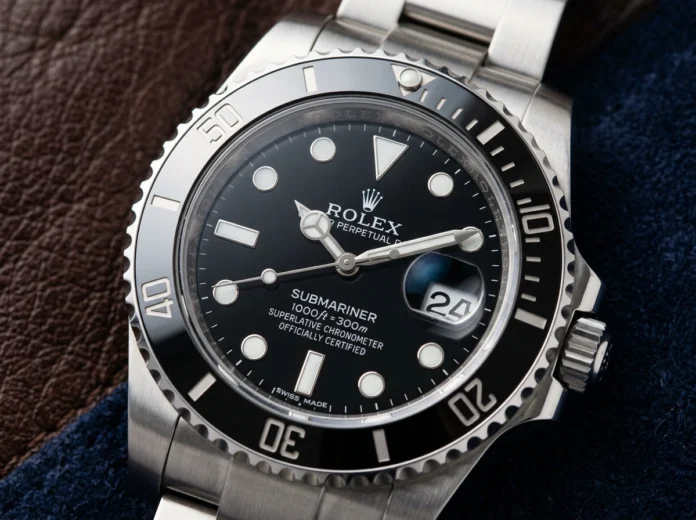
The world of replica timepieces has grown into a sprawling marketplace filled with confusing terminology. Among the most talked-about terms is “superclone.” Buyers often see this word attached to listings that promise near-perfect accuracy, yet many people aren’t sure what actually separates a superclone from an ordinary replica.
This article breaks down what enthusiasts mean when they use the term, and how these watches reportedly differ from standard imitations. We’ll look at craftsmanship, materials, movement imitation, finishing, weight, fine details, and the expectations buyers bring to the table. By the end, you’ll understand the distinctions people draw and why the conversation matters.
What Does “Superclone” Actually Mean?
The term “superclone” describes a category of replica watches that aim for an exceptionally high level of accuracy compared to the original. While a standard replica may capture the general look of a luxury watch, a superclone reportedly attempts to mirror the finer technical and visual elements as closely as possible.
In practice, the word is more of a marketing label than a regulated standard. There’s no official body that certifies what qualifies as a “superclone.” Instead, the term has emerged from collector communities and online discussions to describe watches positioned at the top of the replica spectrum. Resources such as superclone rolex discussions often highlight how this language has evolved within hobbyist circles.
The key takeaway: “superclone” signals an intended pursuit of maximum accuracy, but the label itself isn’t guaranteed proof of quality.
Standard Replicas vs. Superclones: The Core Differences
To understand the distinction, it helps to compare the two categories side by side across the features that enthusiasts focus on most.
Craftsmanship and Build Quality
Standard replicas are typically produced for affordability. They capture the silhouette and branding of a recognizable design but often cut corners on assembly. You might notice loose components, uneven gaps, or rushed construction.
Superclones, by contrast, are marketed around tighter assembly tolerances. Sellers claim these watches receive more careful attention during construction, with parts that fit together more precisely. The difference, when present, usually shows up in how solid the watch feels in the hand.
Materials Used
Material choice is one of the biggest talking points in this space.
- Standard replicas frequently rely on lower-grade alloys, mineral glass, and plated finishes that may wear over time.
- Superclones are often advertised as using 904L or 316L stainless steel, sapphire crystal, and more durable coatings that resemble the materials found in genuine luxury watches.
The “so what?” here is simple: better materials tend to translate into a more convincing look and longer-lasting wear, which is why buyers pay attention to these specifications.
Movement Imitation
The movement—the internal mechanism that powers the watch—is where the two categories diverge most dramatically.
Standard replicas often use basic automatic or quartz movements that keep time but don’t attempt to mimic the original caliber. Superclones, on the other hand, are frequently built around movements engineered to imitate the architecture and behavior of the genuine article. Some are even decorated internally to resemble the layouts seen in authentic watches.
This focus on movement imitation is a defining feature of the superclone label. For collectors who value mechanical detail, it’s often the single most important factor.
Finishing and Surface Detail
Finishing refers to the polishing, brushing, and detailing applied to the case, bracelet, and dial.
A standard replica may show inconsistent brushing or overly bright polishing that looks artificial up close. Superclones aim for the subtle transitions between brushed and polished surfaces that characterize high-end watchmaking. The bevels, edges, and lug lines are reportedly refined to match the original more faithfully.
These details rarely matter from across a room, but they become noticeable under close inspection—exactly the scenario where accuracy is tested.
Weight and Heft
Weight is a surprisingly reliable indicator. Genuine luxury watches feel substantial because of their dense materials and solid construction.
Standard replicas often feel lighter than expected, which can give them away immediately to anyone familiar with the real thing. Superclones are engineered to approximate the weight distribution and overall heft of the authentic model, using denser materials and solid end links. The goal is a tactile experience that feels closer to the original.
Fine Details: Dials, Text, and Engravings
Small details separate a casual copy from a meticulous one.
- Dial printing: Superclones aim for crisp, correctly spaced text and accurate fonts.
- Cyclops magnification: The date window magnifier is calibrated more carefully.
- Engravings: Case-back and rehaut engravings are reproduced with greater precision.
- Lume application: The glow material is positioned and shaped to match the original layout.
Standard replicas frequently stumble on these elements, with blurry text, incorrect fonts, or misaligned features. The pursuit of these tiny accuracies is central to the superclone concept.
Why Buyer Expectations Matter
Understanding the difference between these categories isn’t only about the watches themselves—it’s about what buyers expect.
Someone purchasing a standard replica usually wants an affordable item that resembles a luxury design at a glance. They accept that closer inspection will reveal compromises.
A buyer drawn to superclones, however, typically expects accuracy that holds up under scrutiny. They often research specifications, compare movement types, and study finishing details before committing. Their expectations are higher, and so is the price point.
Here’s the practical implication: mismatched expectations lead to disappointment. Knowing which category a watch belongs to helps buyers make informed decisions and avoid paying premium prices for basic products.
A Quick Comparison Summary
To pull everything together, here’s how the two categories generally stack up:
- Materials: Standard replicas use budget alloys; superclones favor stainless steel and sapphire.
- Movement: Standard replicas use generic movements; superclones imitate the original caliber.
- Finishing: Standard replicas show rougher detailing; superclones refine surface transitions.
- Weight: Standard replicas feel light; superclones aim for authentic heft.
- Details: Standard replicas often miss small elements; superclones target precision.
- Price: Standard replicas cost less; superclones command higher prices.
This summary captures the heart of the conversation, though real-world quality always varies from one product to another.
Common Misconceptions to Avoid
A few myths tend to circulate around this topic.
Myth 1: “Superclone” guarantees flawless accuracy. It doesn’t. The term is a marketing label, and quality differs widely between sellers.
Myth 2: Higher price always means better quality. Price reflects positioning, not certification. Some expensive listings underdeliver.
Myth 3: All replicas are identical. As this article shows, the gap between a basic copy and a high-effort clone can be significant.
Keeping these misconceptions in mind helps you read listings more critically.
Frequently Asked Questions
Is a superclone the same as a genuine watch?
No. Regardless of accuracy, a superclone is still a replica and not an authentic product from the original manufacturer.
Why do superclones cost more than standard replicas?
The higher price reflects claims of better materials, refined finishing, and more advanced movement imitation.
Can you tell a superclone apart from the real thing?
Often it requires close inspection by an experienced eye, focusing on movement, engravings, and weight.
Is the term “superclone” official?
No. It’s an informal label created within hobbyist communities, not a regulated standard.
Final Thoughts
The main benefit of understanding superclones versus standard replicas is clarity. When you know what each term implies, you can interpret listings accurately and set realistic expectations.
If you’re exploring this topic, start by examining the specific details that matter most to you—materials, movement type, finishing, and weight. Compare claims carefully, stay skeptical of marketing language, and remember that the “superclone” label describes an intention rather than a guarantee.
The more you learn about these distinctions, the better equipped you’ll be to navigate a confusing and crowded marketplace with confidence.