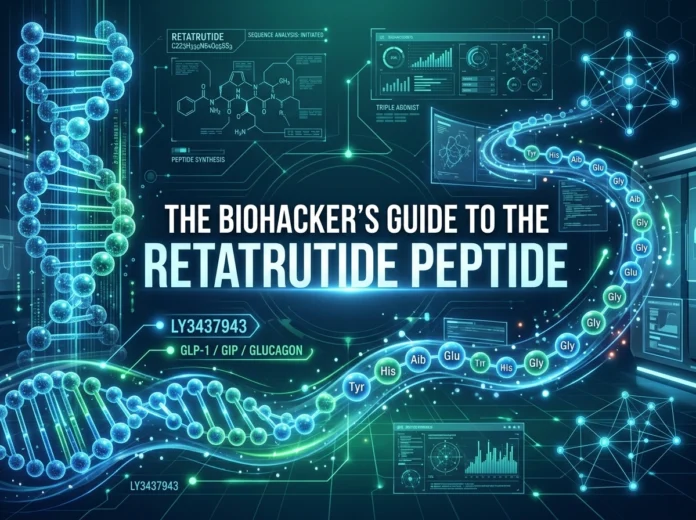
Biohackers chase one thing above all: better results from the body they already have. Few compounds have generated as much excitement in metabolic optimization circles as retatrutide. This investigational peptide promises something earlier weight-loss drugs only hinted at—a triple-action approach to fat loss and metabolic control. In this guide, you’ll learn what retatrutide actually is, how it works on three different receptors, why the biohacking community is paying close attention, and what the current research really shows. You’ll also get a clear-eyed look at the safety considerations and responsible usage practices that matter before anyone gets carried away by the hype.
What Is Retatrutide?
Retatrutide is an investigational peptide developed by Eli Lilly, currently moving through clinical trials. It belongs to a class of medications known as incretin mimetics—compounds that copy the action of hormones your gut naturally releases after eating.
What sets it apart is its reach. While earlier drugs like semaglutide target one or two pathways, retatrutide engages three. This “triple agonist” design is the reason it has earned so much attention from researchers and metabolic enthusiasts alike.
It’s important to be clear from the start: retatrutide is not yet approved for general use. It remains a research compound under study. Anyone exploring the retatrutide peptide should treat it as experimental and approach it with caution and respect for the science.
How Retatrutide Works: The Triple Receptor Mechanism
The magic of retatrutide lies in its ability to activate three separate hormone receptors at once. Each one plays a distinct role in how your body manages energy, appetite, and fat storage.
GLP-1 Receptor Agonism
Glucagon-like peptide-1 (GLP-1) is the pathway most people already know from drugs like Ozempic. Activating it slows stomach emptying, reduces appetite, and improves insulin sensitivity. The result is fewer cravings and steadier blood sugar.
GIP Receptor Agonism
Glucose-dependent insulinotropic polypeptide (GIP) works alongside GLP-1. It helps regulate insulin release and may improve how efficiently your body processes nutrients. When paired with GLP-1 activation, GIP appears to amplify metabolic benefits while easing some digestive side effects.
Glucagon Receptor Agonism
This is the wild card. Glucagon is often viewed only as a blood-sugar-raising hormone, but it also boosts energy expenditure and encourages the body to burn stored fat. By activating the glucagon receptor, retatrutide may increase the number of calories you burn at rest—not just the calories you eat.
Together, these three actions create a powerful combination: less hunger, better metabolic control, and a higher rate of fat burning.
Why Biohackers Are Paying Attention
Biohackers focus on measurable optimization—body composition, metabolic markers, energy, and longevity. Retatrutide hits several of those targets at once, which explains the buzz.
The appeal comes down to leverage. Instead of stacking multiple compounds to address appetite, insulin sensitivity, and fat oxidation separately, a single peptide may influence all three. For people who track their data obsessively, that efficiency is attractive.
There’s also the promise of body recomposition. Early signals suggest retatrutide drives significant fat loss while researchers continue studying its effects on lean mass. For anyone who wants to shed fat without sacrificing hard-earned muscle, that’s a compelling prospect.
Potential Benefits
Weight Loss
The headline benefit is dramatic weight reduction. Clinical trial data has shown some of the largest average weight losses recorded for any pharmaceutical agent in this category, which is why retatrutide is sometimes described as a next-generation option.
Metabolic Optimization
Beyond the scale, the peptide improves insulin sensitivity and blood sugar regulation. For biohackers tracking fasting glucose, HbA1c, or continuous glucose monitor trends, these improvements represent meaningful upgrades to metabolic health.
Body Composition
Because the glucagon pathway encourages fat burning specifically, retatrutide may support a leaner physique. The goal for most users isn’t just lower body weight—it’s a better ratio of muscle to fat.
What the Research Currently Shows
Retatrutide has progressed through Phase 2 trials with striking results. In a widely cited study, participants taking the highest doses lost a remarkable percentage of their body weight over roughly a year—figures that exceeded what many earlier medications achieved.
Researchers also observed improvements in blood pressure, cholesterol markers, and liver fat. These findings have fueled interest in retatrutide as a tool for treating obesity and related metabolic conditions.
Here’s the part that matters most: the compound is still in clinical trials. Phase 3 studies are ongoing, and long-term safety data is not yet complete. Promising early results are not the same as proven, approved treatment. Anyone reading about these outcomes should keep that distinction firmly in mind.
Responsible Usage Considerations
Because retatrutide remains investigational, responsible behavior starts with honesty about the unknowns. You’re not working with a fully vetted, approved product—you’re dealing with a research compound.
If you’re thinking “but plenty of people are already experimenting with it,” that’s exactly the concern worth addressing. Consider these principles before doing anything:
- Consult a medical professional. A doctor who understands your health history can flag risks you might miss.
- Start with knowledge, not dosing. Understand the science thoroughly before considering any practical use.
- Verify quality and sourcing. Unregulated products carry serious purity and authenticity risks.
- Track your biomarkers. If you proceed, monitor glucose, blood pressure, heart rate, and body composition closely.
- Avoid stacking blindly. Combining experimental compounds multiplies unknown risks.
The biohacker mindset values data and caution in equal measure. Rushing into an unapproved peptide based on hype alone contradicts the very principles of careful optimization.
Safety and Side Effect Awareness
No compound this powerful comes without trade-offs. The most commonly reported side effects in trials were gastrointestinal—nausea, vomiting, diarrhea, and reduced appetite. These tend to appear early and often ease as the body adjusts.
Some participants also experienced increased heart rate, a known effect of glucagon receptor activation. For anyone with cardiovascular concerns, that’s a meaningful flag worth discussing with a physician.
Longer-term risks remain under investigation. Because the full safety profile isn’t established, side effects that only emerge over years simply aren’t known yet. This uncertainty is the strongest argument for medical supervision and patience while research continues.
Frequently Asked Questions
Is retatrutide approved for use?
No. It is still in clinical trials and has not received regulatory approval for general use.
How is retatrutide different from semaglutide?
Semaglutide targets one pathway (GLP-1), while retatrutide activates three (GLP-1, GIP, and glucagon receptors), potentially producing greater effects.
Does retatrutide cause muscle loss?
Like most aggressive weight-loss interventions, some lean mass change is possible. Research into its specific effects on body composition is ongoing.
What are the most common side effects?
Nausea, vomiting, diarrhea, reduced appetite, and increased heart rate are the most frequently reported.
The Bottom Line
Retatrutide represents one of the most exciting developments in metabolic science, combining three receptor pathways to target weight loss, blood sugar control, and fat burning in a single compound. The early research is genuinely impressive, and it’s easy to see why biohackers are intrigued. Yet the smartest move right now is patience paired with curiosity. The compound is still investigational, its long-term safety isn’t fully mapped, and hype tends to outrun evidence.
Your best next step is education, not experimentation. Keep following the clinical trial results, learn the mechanisms deeply, and talk with a knowledgeable medical professional before considering anything beyond research. True biohacking rewards those who respect the data—and the unknowns—just as much as the promise.